Creating a sustainable, energy-efficient home is a dream for many, but the perceived price tag often stops homeowners in their tracks. When we see magazines featuring custom eco-mansions with geothermal heating and massive solar arrays, sustainability feels like a luxury reserved for the wealthy. However, true energy efficiency is about smart building physics, not just expensive gadgets.
Upgrading your home to lower its carbon footprint and utility bills is entirely possible on a tight budget. The secret lies in strict prioritization. By focusing on the upgrades that deliver the highest energy savings per dollar spent, you can transform your property incrementally. Knowing exactly where to start ensures you do not waste your limited budget on flashy tech when simple, structural improvements are what your home truly needs.

What is Green Home Remodeling?
What is green home remodeling? Green home remodeling is the process of upgrading an existing home to improve its energy efficiency, sustainability, and indoor air quality. By prioritizing strategic insulation, airtightness, and efficient systems, homeowners can drastically reduce carbon emissions and long-term utility costs.
A successful cost effective retrofit requires shifting your mindset away from purely cosmetic changes. While a new kitchen looks beautiful, it does not lower your monthly heating bills or reduce your carbon footprint.
Green remodeling focuses on the hidden anatomy of the house. It addresses how the building manages heat, air, and moisture. By dedicating your early budget to the structural envelope, you ensure that every subsequent upgrade you make over the coming years performs at its absolute best.
Understanding Eco Renovation Costs
Before buying materials or hiring contractors, you must understand your baseline eco renovation costs. Spending money blindly is the enemy of a budget remodel.
To maximize your return on investment, you need a plan. A highly effective strategy is to start by calculating your current energy expenditures to see where you are losing the most money. For those looking to strictly manage their capital and ensure their upgrades add actual financial value to the property, utilizing a resource like Renovating for Profit (or similar budgeting guide) can help you balance aesthetic desires with hard energy-saving math.
This financial planning phase must tie directly into your physical Retrofit Roadmap. By auditing your home first, you avoid the costly mistake of replacing a heating system before you have properly insulated the walls.
Start Here: High-Impact DIY Energy Upgrades
When budget is the primary constraint, sweat equity is your best asset. The most financially rewarding diy energy upgrades revolve around air sealing and basic insulation. These tasks require more patience than specialized skill.
1. Draught Proofing (Air Sealing)
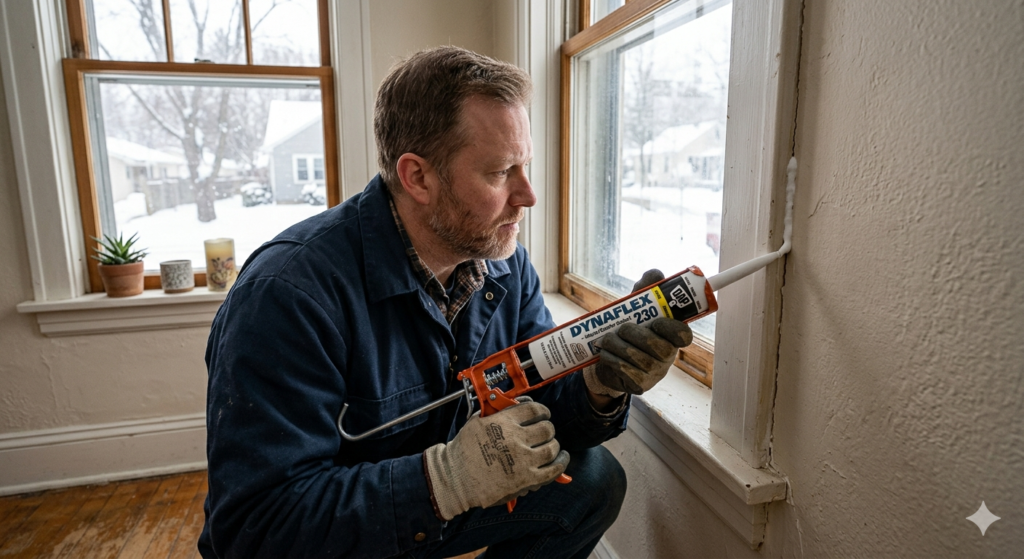
Your first $100 should be spent on caulk, expanding foam, and weatherstripping. Sealing the gaps around window frames, under doors, and around plumbing pipes stops expensive heated air from leaking outside. Stopping drafts is the most cost-effective way to immediately improve indoor comfort.
2. Attic and Loft Insulation
Because heat rises, an uninsulated attic is a massive energy drain. Purchasing and rolling out standard mineral wool or natural cellulose insulation across your attic floor is a highly accessible weekend project. Increasing your loft insulation from 100mm to 300mm (4 to 12 inches) provides a massive reduction in heating demand for a relatively low material cost.
Navigating Grants for Insulation and Funding
You do not always have to fund green home remodeling entirely out of your own pocket. Governments and local municipalities worldwide are actively pushing for housing decarbonization to meet climate targets.
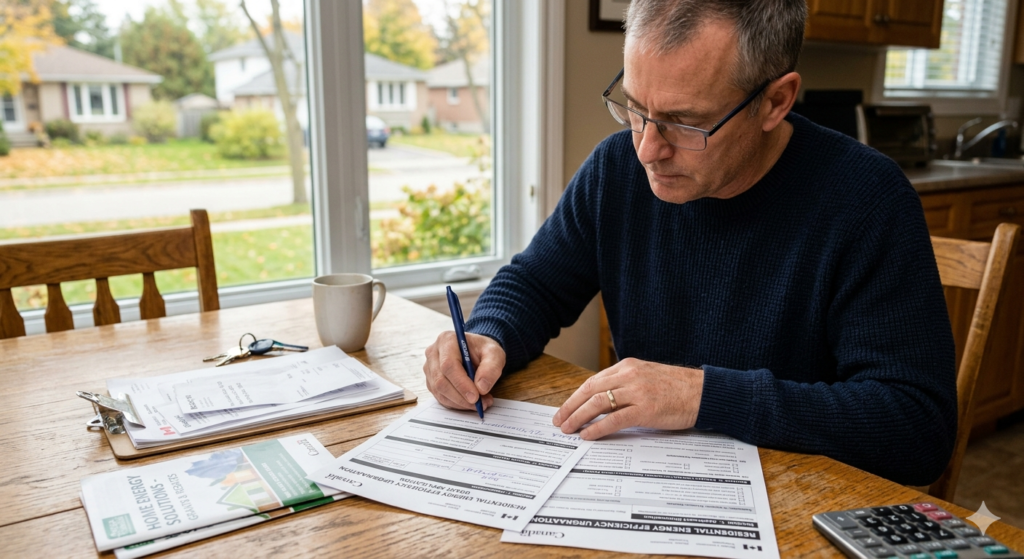
To achieve this, they offer significant financial incentives. Before undertaking any major work, you must thoroughly research local grants for insulation, heat pumps, and solar energy.
- Many regions offer subsidies that cover 50% to 100% of the cost of cavity wall or loft insulation.
- Tax credits are frequently available for upgrading to high-efficiency windows or installing smart thermostats.
- Utility companies often provide free or heavily discounted energy audits to help you identify your best upgrade path.
Never pay full price for a structural energy upgrade without first checking local government databases or speaking to a certified energy assessor about available funding streams.
What to Avoid on a Tight Budget
When performing a cost effective retrofit, knowing what not to do is just as important as knowing where to start.
Do not start by purchasing solar panels. While generating your own electricity is fantastic, placing solar panels on a drafty, uninsulated home is financially backward. You will spend tens of thousands of dollars generating energy that immediately leaks out through your walls and roof.
Similarly, avoid replacing windows purely for energy savings if your budget is exceptionally tight. While triple glazing is excellent, the financial “payback period” on brand-new windows can take decades. If the existing frames are structurally sound, you will save much more money by heavily weatherstripping the old windows and spending that capital on attic insulation instead.
Conclusion
Green home remodeling is a journey that can comfortably accommodate strict financial boundaries. By rigorously managing your eco renovation costs and refusing to skip the foundational steps, you can achieve remarkable results. Start by prioritizing low-cost, high-yield diy energy upgrades like draught-proofing and attic insulation. Actively seek out local grants for insulation to stretch your budget further, and always prioritize the building envelope over expensive technology. Ultimately, a strategic, phased approach guarantees that your home becomes a greener, warmer, and more valuable asset without causing financial strain.
Frequently Asked Questions (FAQ)
1. What is the cheapest way to make my home more energy efficient?
The absolute cheapest methods involve behavioral changes and simple draught-proofing. Turning your thermostat down by just one degree, washing clothes on cold cycles, installing a heavy curtain over your front door, and using $10 tubes of caulk to seal window gaps provide immediate financial returns without requiring a large budget.
2. Are eco-friendly building materials always more expensive?
Not necessarily. While some premium natural materials (like wood fiber insulation) carry a higher upfront cost than cheap plastics, many sustainable choices are highly affordable. For example, blown-in cellulose insulation (made from recycled newspaper) is frequently one of the cheapest and most eco-friendly insulation options on the market. Furthermore, using reclaimed or salvaged materials can drastically lower your overall materials budget.
3. Do I need an architect for a green remodel on a budget?
For minor upgrades like draught-proofing, adding loft insulation, or swapping appliances, no architect is needed. However, if your remodel involves moving walls, structural alterations, or a complete envelope upgrade, a brief consultation with an architect or certified energy assessor can actually save you money by preventing costly design errors and ensuring correct material sequencing.
4. How do I find grants for home energy upgrades?
Start by checking the official government websites for your country, state, or province under sections dedicated to “Energy,” “Environment,” or “Housing.” Additionally, search the website of your local electricity or gas utility provider, as they are often mandated by the government to offer rebate programs and free efficiency kits directly to consumers.