Historic homes offer unparalleled architectural charm, from ornate Victorian cornices to sturdy mid-century brickwork. However, these pre-1940s properties were built in an era when energy was cheap and carbon footprints were unheard of. Today, living in a drafty, uninsulated period home often means enduring freezing winters, astronomical heating bills, and persistent dampness.
Homeowners are increasingly looking to bring these classic structures into the 21st century. Yet, applying modern construction materials to historic masonry can cause catastrophic structural failure. Updating a heritage property requires a deep understanding of traditional building physics. By learning how to respect the original architecture, you can achieve remarkable energy efficiency without destroying the history you fell in love with.
Understanding the Heritage Upgrade
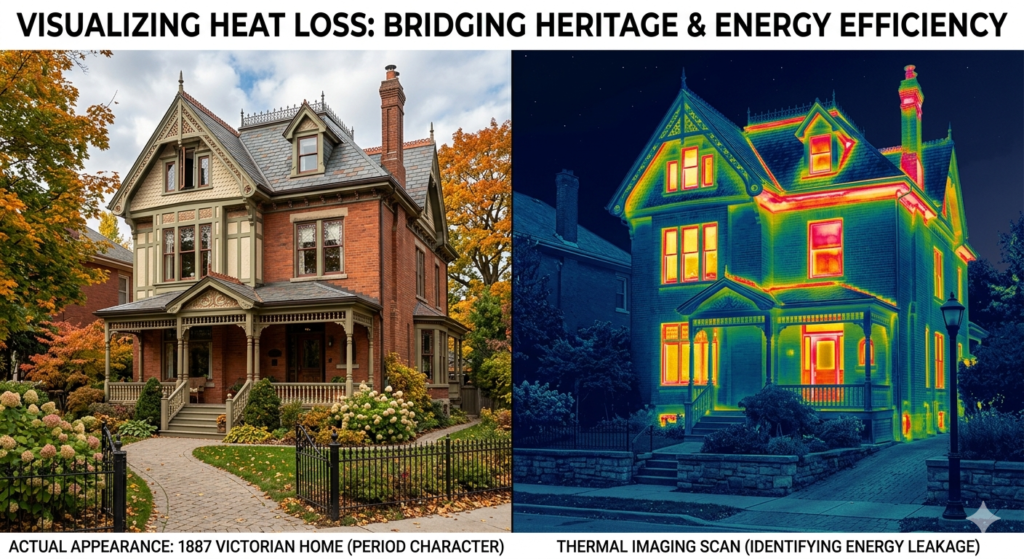
How to retrofit an old house safely? To retrofit an old house safely, you must upgrade its energy performance while strictly preserving its breathable structure. This involves repairing historic masonry, eliminating uncontrolled drafts, upgrading mechanical systems, and installing vapor-permeable insulation to prevent trapped moisture and structural decay.
The fundamental challenge of a period property renovation is moisture management. Modern homes are built as sealed plastic boxes, relying entirely on mechanical ventilation to stay dry. Traditional homes operate completely differently.
Houses built before the mid-20th century were designed to manage moisture through constant airflow. The solid brick or stone walls absorb rainwater, and the wind evaporates it away. The open chimneys and drafty floorboards constantly pull fresh air through the house. When you seal up these drafts and block the walls with plastic insulation, you trap that moisture, leading directly to rot.
The Physics of Retrofitting Traditional Buildings
To succeed in retrofitting traditional buildings, you must use the “breathability” principle. This does not mean the house should be drafty; it means the materials themselves must be vapor-permeable.
If you apply modern, closed-cell spray foam or rigid plastic insulation boards (like PIR) to a solid brick wall, you create an impermeable barrier. Moisture from the room will condense behind the plastic, and exterior rain will get trapped inside the brickwork. During freezing weather, this trapped water expands and literally blows the face off the bricks (spalling).
Instead, heritage retrofits rely on natural, hygroscopic materials. Applying wood fiber boards, cork, or sheep’s wool allows the walls to continue absorbing and releasing water vapor safely. For a comprehensive breakdown of these material assemblies, referencing a specialized “Old House Eco Handbook” provides the precise detailing required to keep old masonry dry.
Navigating Historic Building Energy Efficiency
Achieving historic building energy efficiency often requires creative compromises. You cannot simply rip out original features without destroying the home’s intrinsic value.
Upgrading Historic Windows
Original timber sash or casement windows are often the leakiest parts of an old house. However, replacing them with modern uPVC units ruins the historic facade and is frequently prohibited in conservation areas. The most effective compromise is restoring the original timber frames, installing rigorous draught-proofing strips, and adding secondary glazing to the interior.
Insulating Suspended Timber Floors
Many old houses feature suspended timber floors with a cold, ventilated crawl space underneath. Lifting the original floorboards carefully, installing a breathable wind-tight membrane, and packing the joist gaps with natural cellulose or wool insulation eliminates freezing floor drafts while preserving the original wood.
The Fabric First Rule for Period Homes
Regardless of the building’s age, the core philosophy remains the same: reduce the energy demand first. This strategy is the foundation of our comprehensive framework.
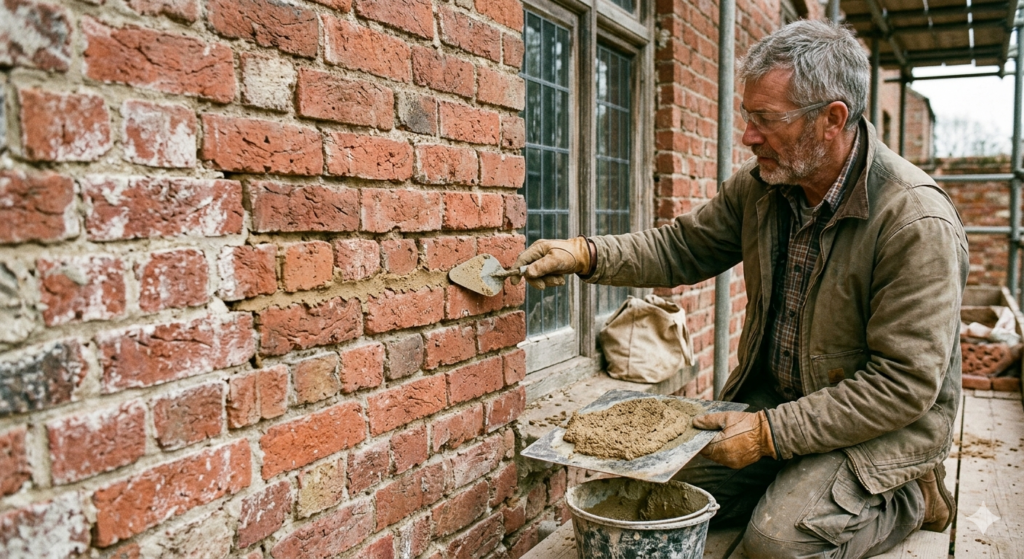
Before installing a modern heat pump or solar panels on a slate roof, you must address the thermal envelope. Repair broken roof tiles to stop water ingress, replace failing cement pointing with traditional lime mortar, and insulate the loft using natural materials.
Only after the fabric of the building has been repaired and thermally upgraded should you introduce low-carbon heating systems. Because heritage properties cannot always reach the extreme airtightness of new builds, sizing these heating and ventilation systems correctly requires expert energy modeling.
Conclusion
Finding the balance between historic preservation and modern comfort is a delicate but highly rewarding process. Knowing how to retrofit an old house requires abandoning modern, impermeable construction habits in favor of natural, breathable materials that respect the original architecture. By focusing on meticulous draught-proofing, careful period property renovation, and scientifically sound moisture management, you can drastically reduce your carbon footprint. Ultimately, upgrading these beautiful structures ensures they remain healthy, warm, and viable homes for generations to come.
Frequently Asked Questions (FAQ)
1. Do I need planning permission to retrofit an old house?
If your house is officially listed (e.g., a Listed Building in the UK) or located within a designated conservation or historic district, you almost certainly need formal consent before making external changes or altering the thermal envelope. Always consult your local heritage or planning officer before beginning any work to avoid severe legal penalties.
2. Can I install a heat pump in a historic home?
Yes, heat pumps can successfully heat older properties. However, because historic homes often lose heat faster than modern ones, you must prioritize draught-proofing and insulation first. You may also need to install larger cast-iron style radiators to accommodate the lower flow temperatures of the heat pump while maintaining the period aesthetic.
3. What is “breathability” in old buildings?
In building physics, “breathability” does not refer to air leaking through gaps (drafts). It refers to vapor permeability—the ability of building materials (like brick, stone, and lime plaster) to safely absorb water vapor and release it back into the air without degrading or trapping liquid water inside the structure.
4. Why is cement mortar bad for old brickwork?
Modern Portland cement is very hard and highly impermeable. When used to point (fill the gaps between) soft historic bricks, it traps moisture inside the brick itself. When winter temperatures drop, this trapped moisture freezes, expands, and shatters the face of the brick. Traditional lime mortar is softer and allows the moisture to escape safely.