When undertaking a deep energy retrofit, the instinct is often to head straight to a big-box hardware store to purchase pristine, factory-new supplies. However, buying new materials carries a heavy environmental footprint and consumes a massive portion of your project budget. To truly build sustainably, a shift in procurement strategy is necessary.
The most eco-friendly materials are the ones that have already been manufactured. By proactively seeking out items that others have discarded, you not only preserve historic craftsmanship but also actively divert functional resources from the landfill. Implementing smart renovation waste management tips—which focus on reclaiming rather than discarding—transforms your supply chain and infuses your modern retrofit with irreplaceable character.
The Strategy of Urban Mining
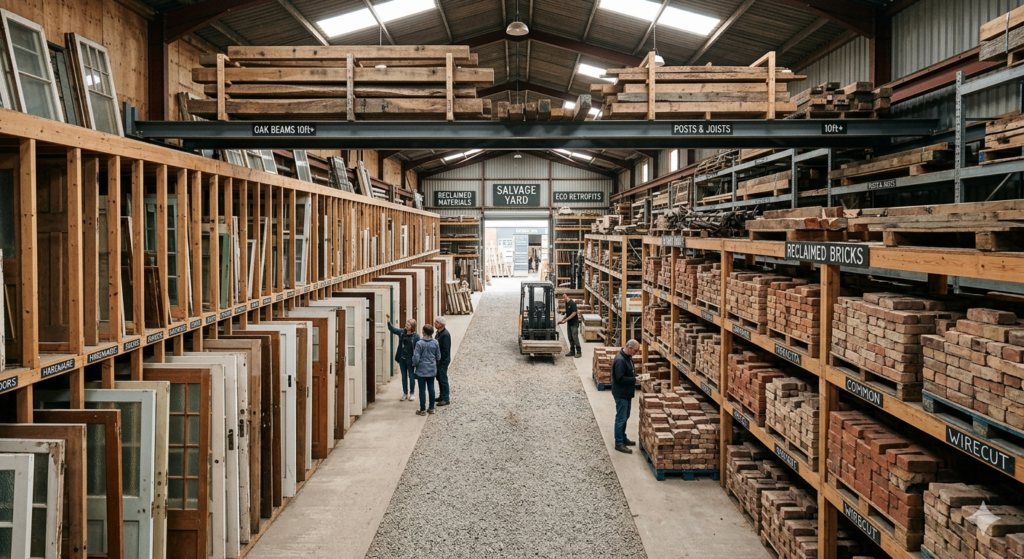
What are the most effective renovation waste management tips? The most effective renovation waste management tips revolve around material reuse and urban mining. Instead of sending debris to landfills, retrofitters should prioritize sourcing second hand building materials, utilizing architectural salvage yards, and trading locally to eliminate waste and dramatically lower the project’s carbon footprint.
In the context of the circular economy, cities and older neighborhoods are viewed as vast, temporary storage facilities for valuable resources. This concept is known as urban mining. Rather than digging raw minerals out of the earth, urban miners extract perfectly good materials from buildings that are scheduled for demolition or remodeling.
By treating the existing built environment as a supply catalog, you bypass the massive energy consumption associated with manufacturing new products. This proactive approach to sourcing is a foundational principle discussed in our comprehensive Circular Construction Guide.
The Treasures of Architectural Salvage Yards
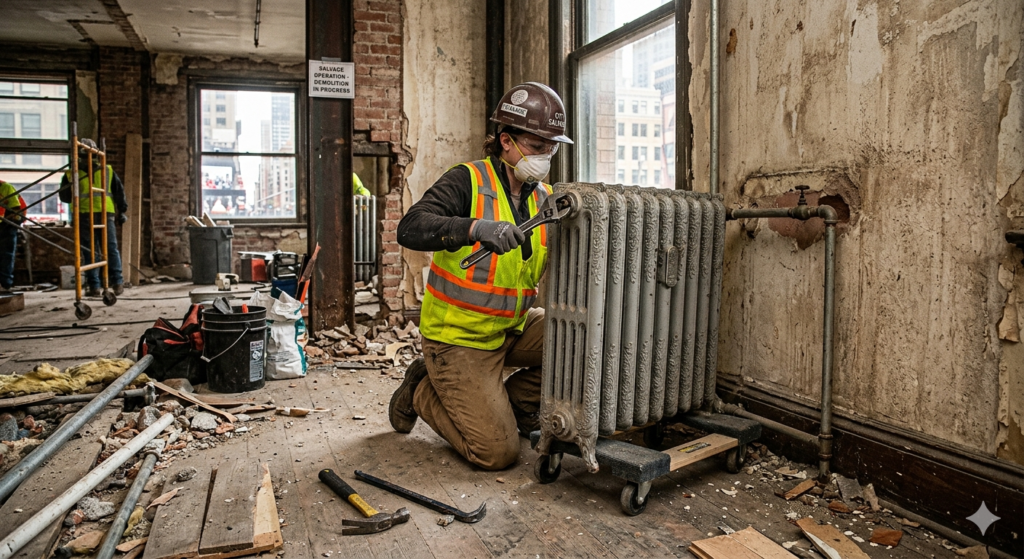
For a retrofitter, architectural salvage yards are the ultimate resource. These specialized businesses act as the middlemen of the circular economy. They employ skilled crews to carefully dismantle historic buildings, clean the components, and organize them for resale.
Unlike standard hardware stores, salvage yards offer materials that simply cannot be bought new today, such as:
- Old-growth timber beams with tight, dense grain.
- Original Victorian or Craftsman solid-wood doors.
- Period-accurate cast-iron radiators, which pair beautifully with modern heat pumps.
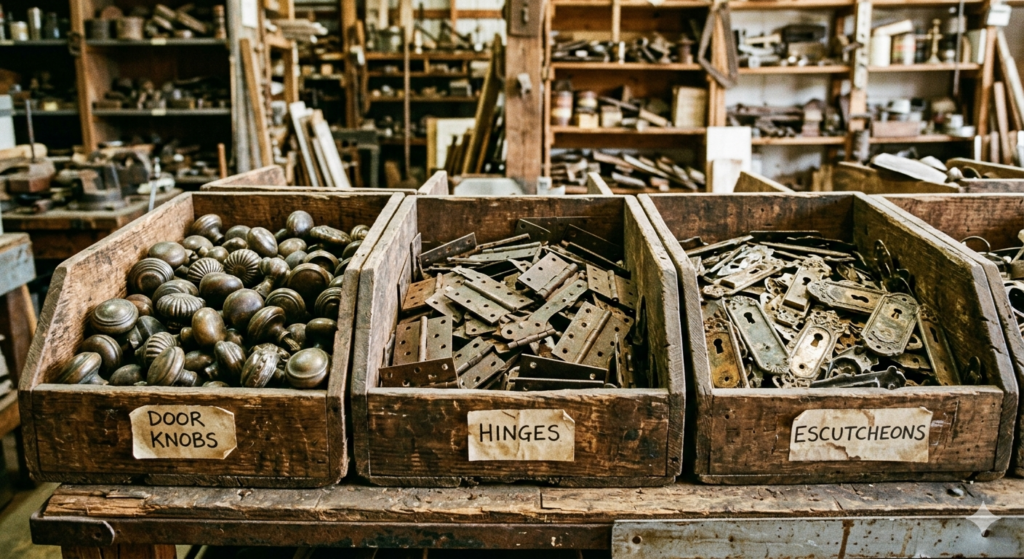
- Antique brass hardware, hinges, and lighting fixtures.
Because inventory is constantly changing, sourcing from these yards requires flexibility in your design. You might visit a yard looking for a specific oak door, only to find a perfectly sized, reclaimed mahogany door instead. Maintaining a flexible mindset and utilizing local salvage directories to find reputable dealers in your area ensures you can adapt your design to the materials available.
Mastering Online Marketplaces
While physical salvage yards are excellent for historic pieces, modern online classifieds are the best source for standard, contemporary building supplies. Countless homeowners order too much material for their DIY projects and end up selling the excess at a steep discount to clear space in their garages.
To successfully source items online, keep these facebook marketplace tips in mind:
- Set up alerts: Use specific keywords like “leftover insulation,” “reclaimed bricks,” or “surplus tiles” and set up daily notifications. The best deals are often claimed within minutes.
- Broaden your search radius: Be willing to drive a bit further for high-value items like double-glazed windows or solid wood flooring.
- Be ready to haul: Sellers of construction materials usually want the items gone immediately. Having a suitable vehicle or trailer ready will give you an advantage over other buyers.
Navigating Second Hand Building Materials
When purchasing second hand building materials, quality control is entirely your responsibility. Because these items do not come with a factory warranty, you must inspect them rigorously before buying.
- Timber: Check for signs of active woodworm (small, clean holes with dust), severe warping, or hidden nails that could destroy your saw blades.
- Windows and Doors: Ensure the frames are square and the seals on double-glazed glass units have not failed (indicated by condensation trapped between the panes).
- Masonry: If buying reclaimed bricks, ensure the old mortar was lime-based and can be easily chipped away. Bricks covered in hard Portland cement are generally not worth the labor to clean.
If a material fails these basic checks, it is better to pass. Incorporating compromised materials into a deep retrofit can lead to structural or thermal failures down the line.
Conclusion
A successful sustainable renovation relies heavily on a creative, proactive procurement strategy. Implementing strong renovation waste management tips means rethinking where your materials come from before the project even begins. By embracing the principles of urban mining, supporting local architectural salvage yards, and carefully inspecting second hand building materials, you can significantly reduce your environmental impact. Ultimately, sourcing reclaimed items allows you to build a highly efficient, decarbonized home that is rich in history and distinct character, all while protecting your budget.
Frequently Asked Questions (FAQ)
1. Is it safe to use reclaimed structural lumber?
Reclaimed lumber can be used structurally, but it must be properly graded. Old-growth timber is often stronger and denser than modern wood, but decades of use can introduce stress fractures, rot, or insect damage. If you intend to use reclaimed wood for critical load-bearing elements (like roof rafters or floor joists), you should have a structural engineer or a certified lumber grader inspect and approve it first.
2. Why are some salvaged materials more expensive than buying new?
While basic materials like leftover drywall or modern lumber are cheap second hand, historic architectural salvage (like a pristine stained glass window or old-growth heart pine flooring) carries a premium. You are paying for the irreplaceable quality of the antique material, the skilled manual labor required to safely extract it, and the time spent cleaning and preparing it for resale.
3. Can I use second hand insulation?
It depends on the type. Rigid foam boards (like PIR or EPS) can easily be bought second hand and reused, provided they are not physically crushed or waterlogged. However, fluffy insulation like fiberglass batts or blown-in cellulose is difficult to salvage cleanly and is often contaminated with decades of dust, making it better to purchase new, eco-friendly alternatives.
4. How do I transport large reclaimed materials safely?
Transporting heavy or fragile materials like cast-iron tubs or large glass units requires proper planning. Always use heavy-duty ratchet straps (not bungee cords) to secure items in a van or trailer. Bring thick moving blankets to protect delicate edges, and ensure you have enough physical manpower to lift the items safely without causing injury or dropping the salvage.