Homeowners facing an older, highly inefficient property often arrive at a critical crossroads. When confronted with peeling plaster, drafty windows, and outdated heating systems, the temptation to bring in a bulldozer and start fresh is strong. However, before you make a decision, it is essential to understand why renovate instead of rebuild is frequently the superior financial choice.
While a sparkling new construction project sounds straightforward, it comes with a mountain of hidden expenses that quickly spiral out of control. Saving the original bones of a house and upgrading them strategically is not just an environmentally friendly move. In the vast majority of cases, it is the most financially sound path to creating a high-performance home.
The Cost of Renovation vs. New Build
To decide why renovate instead of rebuild makes sense, you must analyze the cost of renovation vs new build. Renovating an existing structure typically saves 20% to 40% of the total budget compared to a new build, primarily because you bypass expensive foundation work, structural framing, and site clearance fees.
When analyzing the cost of renovation vs new build, many people make the mistake of comparing simple square-footage averages. They look at a raw estimate for a new home and assume it will be cheaper because “everything is clean and new.”
However, these raw square-footage estimates rarely paint a realistic picture. A new build requires starting from zero, meaning every single system, structural element, and surface finish must be purchased and paid for at current market rates. With a renovation, you already own the most expensive components of the building—the foundation and the framing.
Demolition Costs: The Hidden Budget Killer
One of the most frequently overlooked aspects of a rebuild project is what happens before construction even starts. Tearing down an existing house is not free, and demolition costs can easily consume a massive chunk of your contingency budget.
These upfront clearing costs typically include:
- Permitting and Legal Fees: Securing permits to demolish a structure and disconnect utility lines.
- Hazardous Material Abatement: Safely removing lead paint, asbestos insulation, or old chemical treatments common in historic homes.
- Heavy Machinery and Labor: Hiring excavators, dump trucks, and crews to knock down the structure.
- Landfill Tipping Fees: Paying by the ton to dump thousands of pounds of concrete, wood, and plaster.
When you choose to renovate, you avoid these heavy disposal fees entirely. Instead of paying thousands of dollars to transport perfectly good timber and brick to a local landfill, you keep that value locked inside your home.
Preserving Asset Value and Heritage Premium
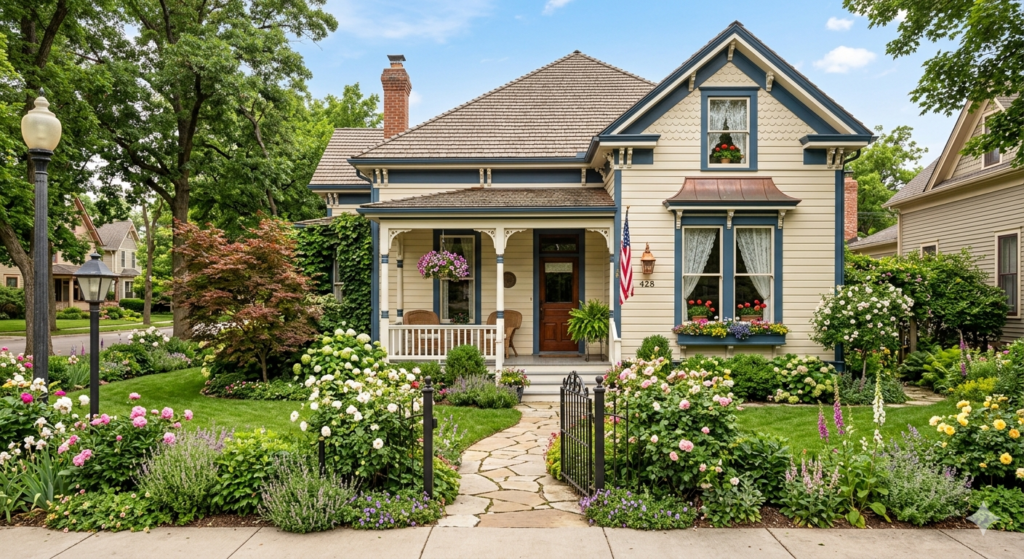
Beyond the immediate construction costs, you must consider the long-term asset value of the finished property. Older homes often possess a unique charm, mature landscaping, and prime neighborhood locations that are incredibly difficult to replicate with modern construction.
Furthermore, historic homes often carry a distinct heritage value that commands a financial premium in the real estate market. Ripping down an original Craftsman bungalow or a classic Victorian terrace to build a generic modern box can actually decrease the market value of the plot.
By executing a deep energy retrofit, you preserve this valuable architectural character while bringing the home’s thermal performance up to modern standards. Buyers are increasingly willing to pay a premium for a home that combines classic historic charm with ultra-low utility bills, giving you the best of both worlds.
Sizing Your Budget with a Strategic Plan
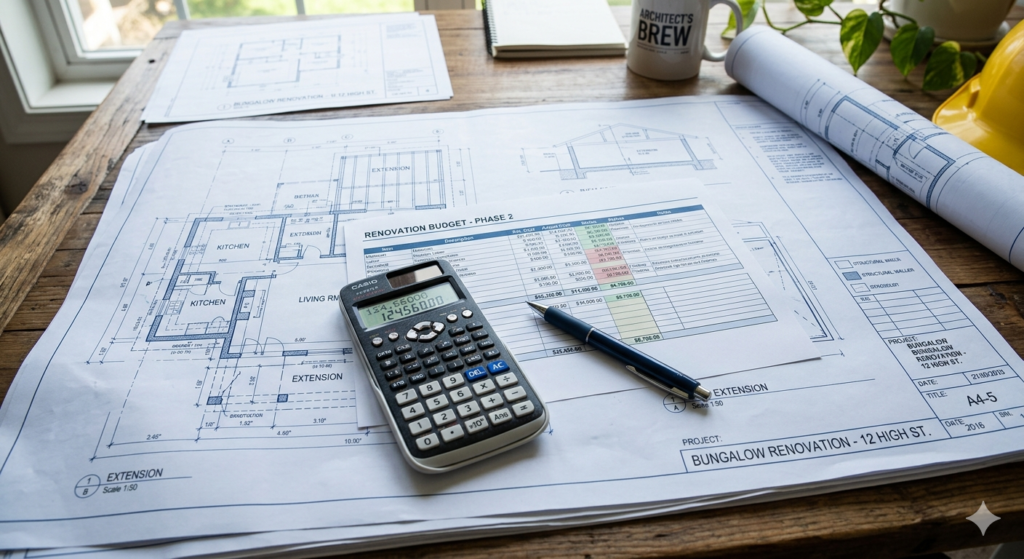
To make the most of your capital, you must approach your renovation with a clear, analytical roadmap. Trying to guess the costs of individual upgrades without a cohesive strategy leads directly to overspending.
Using a detailed Retrofit Roadmap is the most effective way to align your budget with your physical building upgrades. Utilizing online cost calculators and detailed budget spreadsheets allows you to run “what-if” scenarios before hiring contractors.
This systematic planning ensures you allocate your funds to high-impact envelope upgrades first. By prioritizing insulation and airtightness over cosmetic changes, you lower your ongoing energy costs, allowing the home to actively pay you back over time.
Conclusion
When weighing the choices of your home improvement journey, the financial evidence heavily favors preservation. Understanding why renovate instead of rebuild requires looking at the entire lifecycle of construction costs. By avoiding expensive demolition costs, leveraging the massive financial head start of your existing foundation, and preserving the irreplaceable heritage value of your property, you keep more money in your bank account. Ultimately, a deep energy retrofit allows you to achieve the comfort and performance of a new home at a fraction of the cost.
Frequently Asked Questions (FAQ)
1. Is it always cheaper to renovate a house than to rebuild?
In about 80% to 90% of cases, yes. Renovating is significantly cheaper because you preserve the foundation, structural framing, and utility connections. Rebuilding only becomes more cost-effective if the original structure is physically unsafe, severely infested with rot or termites, or has a completely failed foundation that cannot be salvaged.
2. How do taxes and VAT affect the cost of renovation vs new build?
In some regions, tax laws favor new builds over renovations. For example, in the UK, new residential construction is zero-rated for VAT (value-added tax), while renovations are typically subject to standard VAT rates. It is crucial to consult a local tax professional, as these regional rules can significantly close the cost gap between the two options.
3. What is a “heritage premium” in real estate?
A heritage premium refers to the additional market value that buyers are willing to pay for a property with historic character, original architectural details, and local history. Studies consistently show that homes in designated historic districts or with preserved period features retain their value better and sell faster than generic new builds in the same area.
4. Can a renovated home achieve the same energy efficiency as a new build?
Yes. While it requires careful planning and specialized materials (like vapor-permeable insulation), a retrofitted older home can achieve near-new-build levels of energy efficiency. Standards like EnerPHit (the Passive House standard for retrofits) prove that older buildings can be successfully upgraded to use 90% less heating energy.