Upgrading a home to use less energy is one of the most impactful decisions a homeowner can make. Adding thick insulation, sealing drafty gaps, and installing modern windows will undoubtedly lower your heating bills and carbon footprint. However, altering the fabric of an existing building is a delicate scientific process.
When homeowners or inexperienced contractors apply modern materials to older homes without understanding building physics, the results can be catastrophic. Instead of a warm, efficient haven, the house can quickly become a damp, rotting trap. Understanding the most dangerous pitfalls is the first step to protecting both your financial investment and your family’s health.
Understanding Retrofit Failures and Moisture
What are common deep retrofit mistakes? Common deep retrofit mistakes involve improperly altering a building’s thermal and moisture balance. These include blocking natural ventilation without adding mechanical alternatives, trapping dampness behind incorrect insulation, and ignoring thermal bridges, which collectively lead to condensation, structural rot, and severe indoor air quality issues.
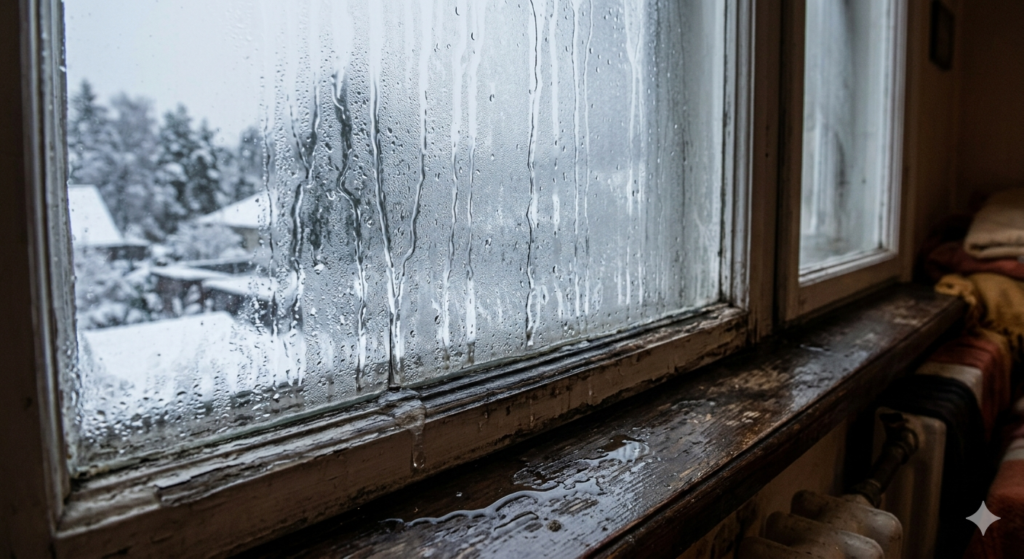
The fundamental rule of building physics is that warm air holds more moisture than cold air. When you insulate and seal a house, you make the inside warmer and prevent that moisture-laden air from escaping through drafts. If that moisture hits a cold surface—or gets trapped inside a wall cavity—it turns back into liquid water.
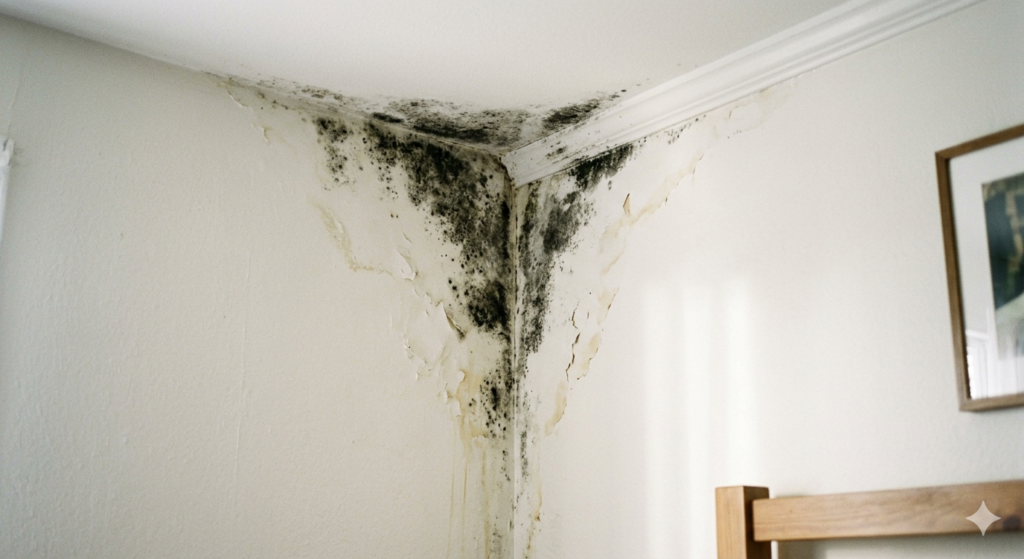
This liquid water is the root cause of almost all retrofit failures. Over time, unseen condensation degrades structural timbers, rusts metal fixings, and provides the perfect breeding ground for toxic mold spores.
5 Common Deep Retrofit Mistakes to Avoid
To ensure your renovation improves your home rather than destroying it, you must prioritize moisture management at every stage. Here are the top five errors to avoid.
1. Sealing the House Without Adding Ventilation
Historically, older homes relied on drafts around windows, doors, and floorboards to provide fresh air and carry away indoor humidity. When you meticulously seal these gaps, that moisture has nowhere to go.
Breathing, cooking, showering, and drying clothes all release liters of water vapor into the air daily. Without installing a mechanical ventilation system (like MVHR or continuous extract fans), humidity levels will spike. This often leads to condensation on cold surfaces and, eventually, sick building syndrome, where occupants suffer respiratory issues from breathing stagnant, mold-spore-heavy air.
2. Using Impermeable Insulation on Old Masonry
Pre-1940s houses were typically built with solid brick or stone walls designed to absorb rain and dry out via wind and sun. They are “breathable” structures. A massive mistake is applying modern, vapor-impermeable insulation—like closed-cell spray foam or foil-backed foam boards—directly to these walls.
This plastic barrier traps moisture inside the brickwork, preventing it from drying inward. In freezing weather, this trapped water expands, blowing the faces off your bricks (spalling) and rotting embedded floor joists. Using a digital moisture meter before covering any historic masonry can help you identify baseline dampness levels and ensure the wall is dry enough to receive breathable, vapor-permeable insulation like wood fiber or sheep’s wool.
3. Ignoring Thermal Bridges
A thermal bridge is a pathway where heat easily bypasses your insulation. Common examples include a concrete balcony slab extending from the inside out, or an uninsulated window lintel.
If you insulate the walls but leave these bridges exposed, they become the coldest spots in the room. Warm indoor air is naturally drawn to these freezing surfaces, dumping its moisture as condensation. This creates highly localized, aggressive black mold growth right on the thermal bridge, ruining interior finishes and degrading the structure.
4. Trapping Moisture in the Roof or Attic
Adding a massive layer of fluffy insulation to your attic floor seems like an easy DIY win. However, if you push that insulation all the way into the eaves, you block the crucial airflow that keeps the underside of your roof deck dry.
Without cross-ventilation, warm, moist air migrating up from the living space gets trapped in the cold attic. It will condense on the underside of the roof felt or timber rafters. Over a few harsh winters, this hidden condensation can rot the entire roof structure, making improper loft insulation one of the most expensive renovation risks.
5. Approaching Upgrades Piecemeal
Houses function as a complete interactive system. Changing one component inevitably impacts the others. For example, if you replace drafty single-glazed windows with highly airtight triple-glazed units, but leave the walls uninsulated, you shift the home’s dew point.
Previously, condensation might have formed harmlessly on the cold window glass where you could wipe it away. Now, the window is warm, so the moisture finds the next coldest surface: your uninsulated walls. To avoid these unintended consequences, it is vital to follow a holistic, step-by-step plan, as outlined in a comprehensive Deep Energy Retrofit Guide.
Conclusion
Creating a highly efficient, low-carbon home is a commendable and necessary goal. However, failing to respect the laws of thermodynamics and building physics can lead to disastrous consequences. By understanding these common deep retrofit mistakes, you can plan your upgrades safely. Always pair airtightness with active ventilation, use the correct materials for your specific building type, and maintain a strict focus on moisture control to ensure your newly retrofitted home remains healthy, dry, and durable for decades to come.
Frequently Asked Questions (FAQ)
1. What is sick building syndrome?
Sick building syndrome (SBS) refers to a situation where building occupants experience acute health and comfort effects that appear to be linked to time spent in a building. In retrofitted homes, this is often caused by poor indoor air quality, trapped VOCs, and mold spores resulting from sealing a house too tightly without adding adequate mechanical ventilation.
2. How do I know if my recent renovation is causing moisture problems?
Early warning signs include persistent condensation on the inside of windows, a musty or damp smell in certain rooms, peeling wallpaper, or small patches of black mold appearing in the upper corners of exterior walls or behind large pieces of furniture.
3. Can I safely insulate solid brick walls without causing rot?
Yes, but you must use moisture-open (vapor-permeable) materials. Products like wood fiber boards, cork, or mineral wool, combined with a breathable lime plaster, allow the wall to continue absorbing and releasing moisture naturally without trapping dampness inside the structure.
4. Why is my attic suddenly damp after adding floor insulation?
Adding floor insulation makes the living space warmer but the attic space much colder. If warm, moist air from the house leaks into the cold attic (through unsealed loft hatches or recessed lights), it condenses on the cold roof timbers. Ensure your ceiling is airtight and your attic eaves remain unblocked to maintain cross-ventilation.