When we envision an eco-friendly home, we usually picture solar panels glistening on the roof, thick insulation in the walls, and a smart thermostat on the wall. These upgrades are excellent for reducing the energy required to live comfortably. However, this perspective ignores a massive piece of the climate puzzle: the materials themselves.
Every brick, steel beam, and pane of glass in a home carries a hidden climate cost before it ever arrives at the construction site. Demolishing an old, drafty house to build a brand-new, ultra-efficient one might seem like a green choice, but the math often tells a different story. To truly understand the environmental impact of our homes, we must look beyond our monthly utility bills and examine the emissions locked inside the structure itself.
Understanding the Hidden Emissions
What is embodied carbon in buildings? Embodied carbon in buildings refers to the total greenhouse gas emissions generated during the manufacturing, transportation, installation, maintenance, and disposal of building materials. Unlike operational carbon, which comes from daily energy use, embodied carbon is locked into the structure the moment it is built.
To grasp the full carbon footprint housing creates, building scientists divide emissions into two categories. Operational carbon is the energy you use every day to heat, cool, and light your home. Embodied carbon is the upfront “carbon burp” released into the atmosphere to create the building in the first place.
Historically, operational carbon was the main focus because drafty buildings burned massive amounts of fossil fuels. Today, as our power grids get cleaner and our heating systems become more efficient, embodied carbon represents an increasingly larger slice of a home’s total lifetime emissions.
The Renovation vs. Rebuild Dilemma
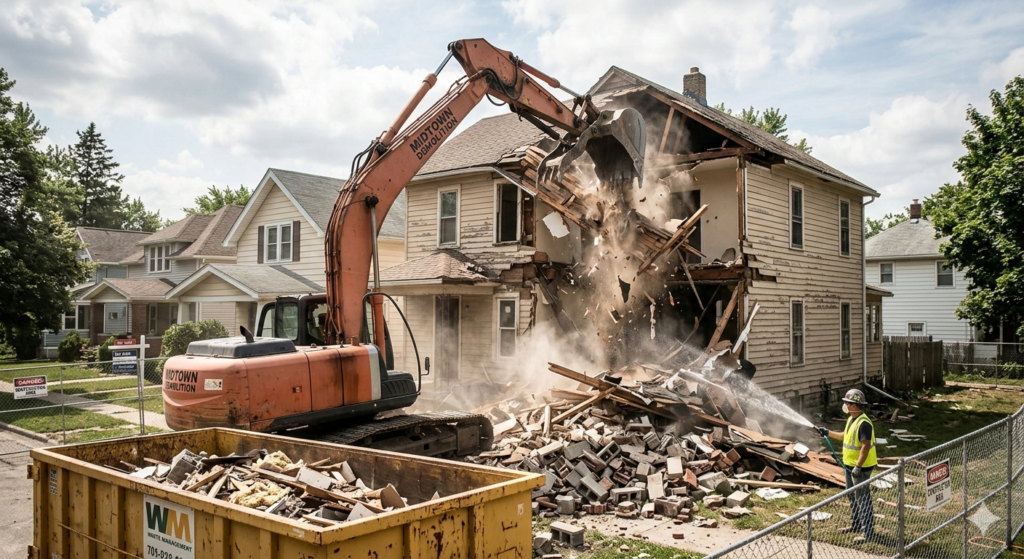
When homeowners face an outdated, inefficient property, they inevitably encounter the renovation vs rebuild dilemma. From a pure convenience standpoint, starting with a blank slate is tempting. However, from a climate perspective, demolition is usually a disaster.
A comprehensive lifecycle assessment reveals that the foundation, framing, and roof structure of a home account for the vast majority of its embodied carbon. Concrete and steel, in particular, are highly carbon-intensive to produce. The cement industry alone accounts for roughly 8% of global carbon dioxide emissions.
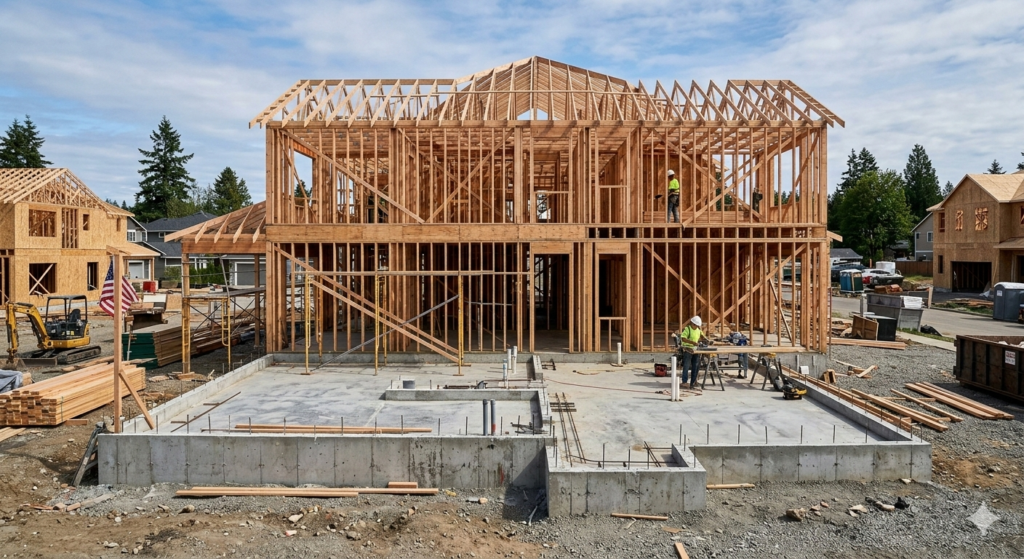
When you demolish a home, you throw away all that invested carbon and send it to a landfill. Then, you generate a massive new wave of emissions to pour a new foundation and erect new framing. Even if the new house is Net Zero, it can take anywhere from 10 to 50 years of energy savings just to “pay back” the carbon debt created by the new construction.
Instead, utilizing a “Deep Energy Retrofit Guide” allows you to save the high-carbon structure while upgrading its operational efficiency.
Breaking Down the Carbon Footprint of Housing
To understand why saving an existing structure is so powerful, it helps to look at where the embodied carbon actually lives within a typical residential building:
- Substructure (Foundation): The concrete footings and basement walls are usually the heaviest carbon hitters. Concrete requires extreme heat to manufacture, releasing massive amounts of CO2.
- Superstructure (Framing): Timber framing is generally better than steel or concrete, as wood stores carbon. However, harvesting, milling, and transporting the lumber still carry a significant footprint.
- Envelope (Cladding and Roof): Brick, aluminum, and asphalt shingles require heavy industrial processes to manufacture.
- Finishes and Services: Plasterboard, flooring, wiring, and plumbing pipes all add incremental carbon costs to the total build.
By keeping the substructure and superstructure intact during a renovation, you immediately eliminate the two largest sources of embodied carbon in a project.
Why Retrofitting is the Core of Sustainable Construction
The golden rule of sustainable construction is simple: the greenest building is the one that already exists.
Retrofitting allows us to leverage the embodied carbon already spent decades ago. By adding insulation, sealing drafts, and upgrading mechanical systems, we drastically lower the operational carbon without triggering the massive upfront emissions of a new build.
Furthermore, renovators can make conscious choices to use low-carbon or carbon-storing materials for their upgrades. Choosing wood-fiber insulation over petroleum-based spray foams, or reclaiming old floorboards instead of buying new vinyl, further tips the scales in favor of renovation. When we view our homes through the lens of their total lifecycle, preserving and improving our existing housing stock becomes the most urgent climate action we can take in the building sector.
Conclusion
Understanding what is embodied carbon in buildings fundamentally changes how we view home improvement. While striving for operational efficiency is vital, we cannot ignore the heavy environmental toll of manufacturing and transporting new building materials. In the debate of renovation vs rebuild, the math heavily favors preserving the original structure. By embracing retrofitting and mindful material selection, homeowners can create highly efficient, comfortable homes without incurring a massive carbon debt, proving that true sustainability starts with what we already have.
Frequently Asked Questions (FAQ)
1. What is the difference between embodied carbon and operational carbon?
Operational carbon refers to the greenhouse gas emissions from the energy used to run a building (heating, cooling, lighting). Embodied carbon refers to the emissions generated upfront to create the building materials, transport them, and construct the building, as well as the emissions from future maintenance and demolition.
2. How much of a building’s total carbon footprint is embodied carbon?
Historically, embodied carbon made up about 10-20% of a building’s lifetime emissions, with the rest coming from daily energy use. However, as homes become more energy-efficient and grids use more renewable energy, embodied carbon now accounts for up to 50% or more of a new highly-efficient building’s total lifetime emissions.
3. Is it always better for the environment to renovate rather than rebuild?
In the vast majority of cases, yes. Retaining the heavy, carbon-intensive parts of a building (like the foundation and framing) saves a massive amount of upfront emissions. The only common exception is if a building is structurally unsafe, failing completely, or so fundamentally flawed that a deep retrofit is physically impossible.
4. How can I reduce the embodied carbon in my renovation project?
You can lower your project’s carbon footprint by salvaging and reusing existing materials, choosing natural or bio-based products (like timber, hemp, or cellulose insulation), avoiding high-impact plastics and foams where possible, and sourcing materials locally to reduce transportation emissions.